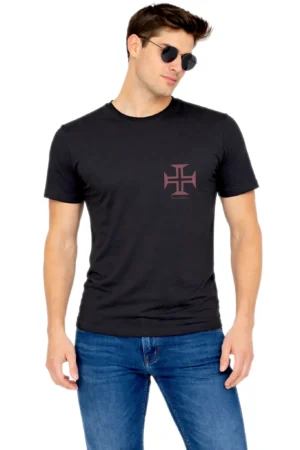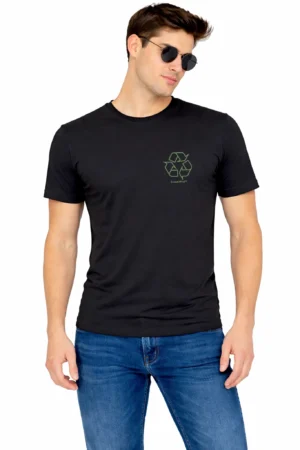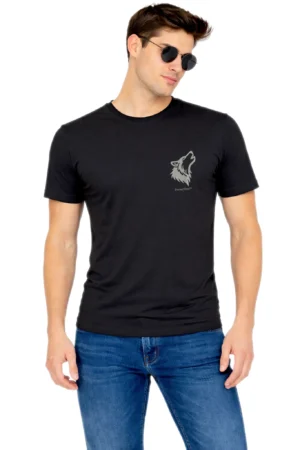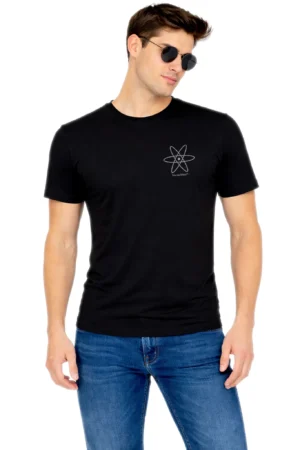


T-shirt with the Cannbis Leaf symbol
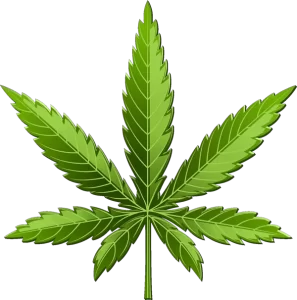
Crafted from 100% organic cotton, it delivers soft comfort, breathability, and a lighter environmental footprint. Available in white and black, this timeless piece fits effortlessly into any modern wardrobe.
Explore our full SymbolWear T-shirt collection and discover more symbols of legacy and meaning.
A Legacy of Industrial Use and Natural Strength
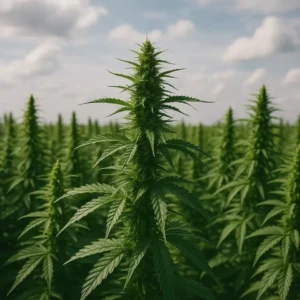 For centuries, both cannabis and its close cousin, hemp, were cultivated across the world. Hemp, in particular, was a prized industrial crop. Its strong, fast-growing fibers were used to make rope, sails, paper, insulation, paint, textiles, clothing and more. The ships that sailed across oceans, the canvases that captured art, and the parchment that held records — all of these, in some parts of the world, were made possible thanks to this resilient plant. Its cultivation required few resources, and it enriched the soil rather than depleting it. Hemp was, by many measures, a sustainable miracle of its time. It was one of the first plants to be spun into usable fiber 50,000 years ago.
Communities throughout Asia, the Middle East, Europe, and the Americas saw hemp not only as an agricultural ally, but as a source of livelihood and local identity.
It was a plant that served both the practical and symbolic needs of society — dependable, renewable, and aligned with nature.
Read more in Wikipedia about hemp and its many commercial refinements to commercial products.
Ancient Medicine to Modern Curiosity
These tinctures and oils were not controversial; they were seen as part of the wider toolkit of natural healing. People turned to them for relaxation, sleep support, or to ease temporary discomfort — in much the same way we use herbal remedies today.
Ancient Chinese, Indian, and Middle Eastern texts also reference cannabis as a medicinal herb, used to support balance in the body. In Europe and North America, cannabis-based preparations were included in medical handbooks up until the early 20th century. It was sometimes prescribed by physicians in combination with other botanicals, in carefully measured doses, to relieve discomfort and support a sense of ease in patients.
The use of cannabis was grounded not only in anecdotal tradition but in early empirical practice. This reflected a time when medicine and herbalism often overlapped, and when many healing traditions viewed the body and mind as part of a unified natural system.
Regulatory Shifts and the Long Pause
This change was influenced by a complex mix of politics, trade interests, and emerging pharmaceutical standards. The result was a long pause in the plant’s story — at least on the surface.
This global shift also caused industrial hemp, despite its lack of intoxicating properties, to be grouped together with psychoactive cannabis varieties. Entire industries based on hemp textiles and products were abandoned in favor of synthetic alternatives.
During this pause, a great deal of cultural memory around the uses of cannabis was lost. Generations grew up unaware that the plant once played a vital role in both agriculture and medicine. However, a small but determined community of scientists, farmers, and historians continued to explore its legacy.
The Science Behind the Leaf: CBD and THC
Two of these compounds — CBD (Cannabidiol) and THC (Tetrahydrocannabinol) — would go on to shape a new chapter in the plant’s modern history. The compounds are both primarily extracted from the flowers (buds) of the cannabis plant.
- Cannabidiol: Found in high concentrations in the flowering tops of hemp plants, especially in strains bred specifically for CBD content and low THC levels.
- Tetrahydrocannabinol: Found in the resinous trichomes of cannabis flowers, particularly in strains cultivated for medical or recreational purposes.
These compounds are produced in tiny, crystal-like structures called trichomes, which are most dense on the female cannabis flower buds. While small amounts of cannabinoids exist in leaves and stems, the flowers are the richest and most practical source for extraction.
CBD — The Non-Intoxicating Compound
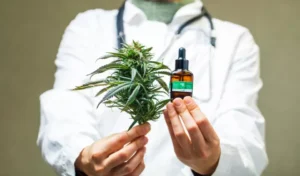 CBD (Cannabidiol) is a non-intoxicating compound that does not produce any kind of high. Instead, it’s associated with a sense of calm, clarity, and balance. In recent years, it has been widely studied for its potential to support mental well-being, aid with sleep, and reduce the body’s response to stress. Products containing Cannabidiol — such as oils, balms, and capsules — are now available in many countries and have become part of a growing wellness movement focused on natural care and self-awareness.
In addition to its potential effects on mood and discomfort, researchers have looked into the anti-inflammatory properties of Cannabidiol. Some early studies suggest it may influence how the body responds to stimuli, making it of interest in broader discussions of holistic wellness and complementary care.
Read more about CBD in Wikipedia.
THC — Medical Use Under Regulation
THC (Tetrahydrocannabinol), by contrast, is the compound most commonly linked to the psychoactive effects of cannabis. However, in medical contexts, Tetrahydrocannabinol is being researched for its therapeutic potential. In regions with legal frameworks supporting medical cannabis, it may be used under strict regulation to help with conditions such as chronic pain, muscle stiffness, or nausea associated with treatments like chemotherapy.
Some researchers also explore THC’s role in supporting appetite in patients with chronic illnesses, easing neurological symptoms, and improving quality of life for those in palliative care. While this area is still evolving, many professionals are optimistic about what may be discovered through continued scientific exploration.
Medicinal Tetrahydrocannabinol use is often tailored to individual needs, with dosages and delivery methods chosen to provide targeted support without unwanted side effects. It remains an area of clinical interest, especially where conventional treatments have proven insufficient.
Read more about THC in Wikipedia.
CBD and THC together – Finding the Right Balance
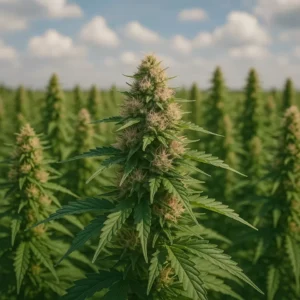
This cooperative dynamic is known as the entourage effect, a theory suggesting that cannabinoids may work more effectively when combined. By supporting and balancing each other’s actions, CBD and THC may offer a more nuanced and holistic therapeutic experience.
One of the most interesting aspects of this interaction is how CBD appears to soften the psychoactive impact of THC, helping to reduce side effects like anxiety or mental fog. At the same time, THC may amplify some of CBD’s therapeutic effects, particularly in areas like pain relief and muscle relaxation. Together, these two compounds can potentially address a broader spectrum of symptoms than either might alone.
There is no universal formula when it comes to the ideal ratio. Individual responses can vary greatly depending on body chemistry, sensitivity, and the nature of the condition being addressed. Some people respond best to high-CBD, low-THC combinations that deliver calm and clarity without psychoactivity. Others may benefit more from balanced or even THC-forward ratios that offer deeper physical relief.
Commonly used ratios range from 20:1 blends, where psychoactive effects are negligible, to 1:1 blends, which are often chosen for chronic pain or sleep support. Medical professionals often recommend that individuals start with a low dose and gradually adjust, allowing the body to guide the right balance over time.
Ultimately, the relationship between the two compounds reflects the complexity of the cannabis plant itself. Rather than focusing on isolated ingredients, modern approaches increasingly view cannabis as a spectrum of compounds working in harmony — a return to the whole-plant philosophy that shaped its historical use.
The Return of Hemp in Modern Industry
Alongside these developments, hemp has made a strong return. Cultivated legally in many places, it’s once again being used to create eco-friendly textiles, sustainable packaging, natural cosmetics, and even hemp-based concrete for green building solutions. Its seeds are rich in nutrients, offering protein, omega fatty acids, and essential minerals — a far cry from its past image, and a clear example of how innovation and tradition can meet.
Hemp also plays a role in carbon capture and regenerative agriculture. Its rapid growth and ability to thrive in different climates make it a favorite among environmentally conscious producers.
Companies focused on environmental responsibility now view hemp as a cornerstone of the green economy. In fashion, building, and nutrition, hemp is celebrated not only for its history, but for its role in shaping a sustainable future. Its revival reflects changing consumer values and an increasing demand for transparency and responsibility in sourcing materials.
The Symbolism of the Leaf Today
The Cannabis Leaf, once a purely functional or medicinal symbol, has now become something more. It represents a shift in thinking — a move toward sustainability, openness, and curiosity. It reflects our growing desire to reconnect with nature and to explore alternative paths to wellness. For some, it’s a symbol of personal strength. For others, a quiet rebellion against outdated perceptions.
Wearing this symbol today is not a call for controversy, but a nod to progress. It honors a plant that has served humanity for centuries and still holds potential for the future. Whether appreciated for its role in sustainable agriculture, wellness science, or cultural transformation, the symbol stands as a modern icon — calm, bold, and full of legacy.
It is more than just an image. It is a reminder of how much has changed, how far we’ve come, and how important it is to remain open to rediscovery. The leaf that once symbolized trade, wellness, tradition, and innovation is now worn with pride — not as a trend, but as a tribute to wisdom, resilience, and the enduring bond between people and plants.
Read more about this amazing plant in Wikipedia.
The Collection
Explore our full SymbolWear™ T-shirt collection and discover more symbols of legacy and meaning.
About the T-shirt
Information about the materials, fabrics, sizes, delivery and return policy.