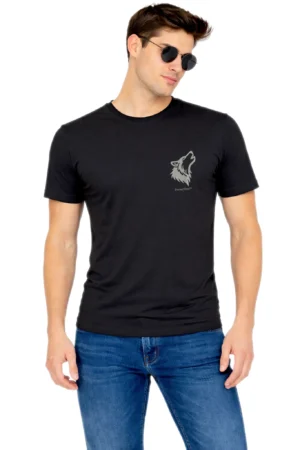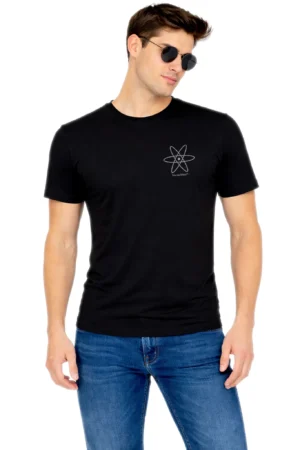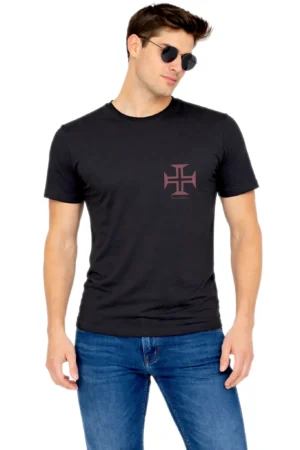


T-shirt with the Recycle symbol

Wearing this t-shirt is a way to express what you stand for — whether it’s environmental awareness, personal renewal, or a deeper philosophy about life and systems.
You can wear it for the planet. You can wear it for yourself. Either way, it’s a symbol that speaks.
Recycle What Matters
In many countries, recycling systems include returnable deposits on bottles and cans. You pay a small fee when you buy the item, and get it back when you return the container. It’s a loop that works — reducing trash, conserving materials, and keeping value moving.
This t-shirt reflects that loop. It shows that we’re done with the throwaway mindset. You wear it to say that what we use — and how we live — matters.
Reuse With Purpose

This t-shirt is designed to last — and to say something every time you wear it. It’s not just reused fabric or thread that matters. It’s reused meaning.
In a world driven by upgrades and replacements — from phones to fashion — it’s easy to fall into the mindset that newer is always better. This thinking can even extend to relationships, where some believe that trading in a long-time partner for someone younger or more exciting will bring greater happiness. But relationships aren’t disposable products.
Replacing a partner may offer novelty, but it often comes at the cost of shared history, deep understanding, and the quiet strength built over time. What appears “better” on the surface rarely replaces the richness of someone who has grown with you, stood beside you through life’s changes, and still knows how to make your coffee just right.
Instead of replacing, maybe plan to “refurbish” your existing partner by offering him or her something special, a surprise, a travel, an event.
Think again
Ideas can be reused too. Traditions can take on new form. Even worn-out systems can be updated instead of abandoned. The symbol captures that mindset: don’t throw it away if it still works — for your wardrobe, your habits, or your future.
Reinvent Yourself
Reinvention is not about erasing the past. It’s about building something new from what already exists. You don’t need to start over. You just need to move forward — wiser, stronger, better.
Wearing this shirt can mean “Recycle me!” and “I’m still good!” That might be a playful way of saying you’re open to a new relationship or outlook. Or it could carry a deeper message — about recovery, growth, or personal change. This symbol is flexible. You decide what it says for you.
Respect the Planet
The symbol reminds us of our connection to nature. Everything we consume comes from somewhere — and ends up somewhere else. The less we waste, the less damage we do. Every bottle you recycle, every item you reuse, and every habit you rethink — it all adds up.
Wearing this symbol shows you’re aware. Not just of the planet’s problems, but of your role in the solution. It’s not about being perfect. It’s about being present.
The world’s climate challenge
Melting ice, extreme weather, rising sea levels, and biodiversity loss are no longer distant warnings — they are present realities. The demand for raw materials, mass production, and global logistics adds even more pressure to ecosystems already stretched to their limits.
Recycling isn’t the only solution, but it is one of the simplest and most effective tools we already have. When we recover our products, we reduce the need for extracting new resources — cutting down on mining, logging, refining, and manufacturing processes that generate high emissions. For example, recycling aluminum uses up to 95% less energy than producing it from raw bauxite. The same is true, to varying degrees, for paper, plastics, steel, and textiles. By closing loops, we reduce emissions, conserve resources, and slow the flow of waste to landfills and oceans. Recycling helps shift us from a linear economy — take, make, waste — to a circular one, where materials stay in use for as long as possible.
The Dirty Secret Behind Clean Loops
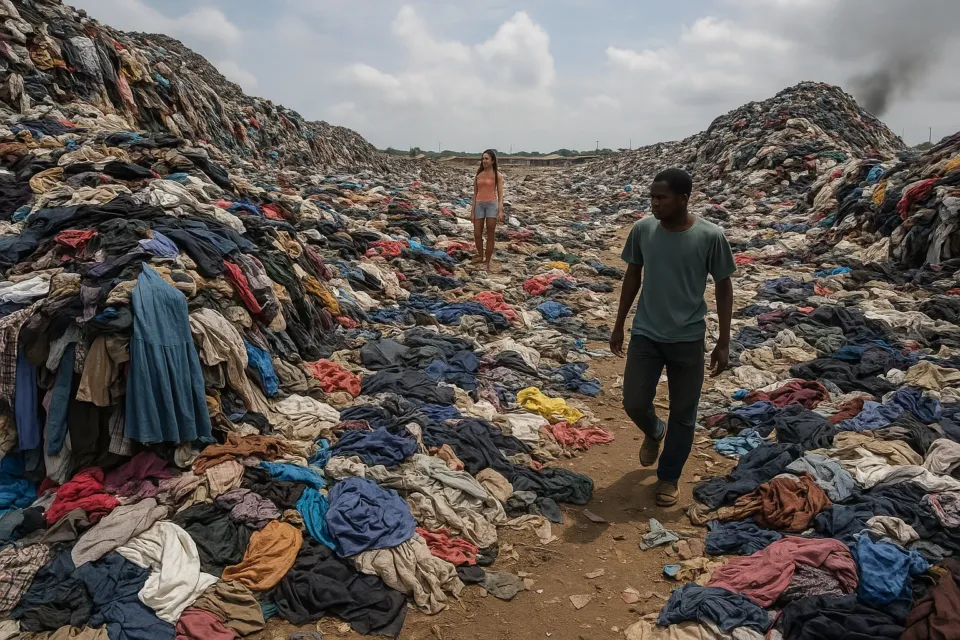
Rich countries often export enormous volumes of textile waste, electronics, used cars, and even military surplus to poorer countries under the label of recycling or aid. In reality, this shifts the environmental burden elsewhere.
For example, second-hand clothing from Europe and the U.S. floods markets in West Africa, overwhelming local textile industries and turning unsold garments into landfill or open-air burn piles. Countries like Ghana have become dumping grounds for low-quality fashion waste, often from fast fashion chains, while the responsibility for actual reuse or disposal is left behind.
The same pattern occurs with e-waste, cars, and plastics. Electronics labeled as “refurbishable” are frequently beyond repair and end up polluting local soil and water. Plastics that are too complex to process economically are baled and exported — not to be used again, but to be burned or buried in areas with little environmental regulation.
Old cars, often highly polluting, are exported to Africa and Southeast Asia, where they continue to emit well beyond legal standards. Even decommissioned military vehicles are shipped off under vague “reuse” claims. This is not recycling — it’s outsourcing pollution. Wearing the symbol can also be a protest against this false loop — a call to rethink systems that pass the waste downstream instead of dealing with it responsibly.
Rethink Anything
What’s actually waste? What could be used again? What parts of our daily lives are on autopilot, and ready for review?
Rethinking applies to everything: how we dress, eat, vote, love, and live. That makes the symbol more than environmental — it becomes philosophical. It challenges what we accept, and invites us to look again.
Wearing this t-shirt is a way to stay open-minded. To say: “Maybe there’s another way.”
Did You Know?
- The Recycle symbol is one of the most recognized icons in the world.
- Over 70% of global consumers recognize the symbol and associate it with environmental responsibility.
- In the EU alone, more than 50 million tons of municipal waste are used in new products every year.
- Countries with deposit-return systems often achieve recycling rates above 90% for bottles and cans.
- Clothing made from second hand or long-lasting materials reduces CO₂ emissions and landfill impact significantly.
Symbol Origin
The original symbol was created in 1970 by a 23-year-old design student, Gary Anderson, as part of a design contest for the first Earth Day. His winning design featured three chasing arrows forming a continuous triangle — inspired by the Möbius strip. It was meant to symbolize a closed loop of reuse: collection, processing, and remanufacture. Over time, it became a universal mark of environmental awareness and conscious living.
Wear the Loop
The t-shirt is a statement in fabric. It’s clean, meaningful, and full of possibilities. For some, it’s a green signal of sustainability. For others, a quiet reminder that growth and change are always possible.
Whatever your reason — recycle, refurbish, reuse, reinvent, rethink.
You don’t have to explain it. The symbol says enough.
Crafted from 100% cotton, it delivers soft comfort, breathability, and a lighter environmental footprint. Available in navy blue and black, this timeless piece fits effortlessly into any modern wardrobe.
The Collection
Explore our full SymbolWear™ T-shirt collection and discover more symbols of legacy and meaning.
About the T-shirt
Information about the materials, fabrics, sizes, delivery and return policy.